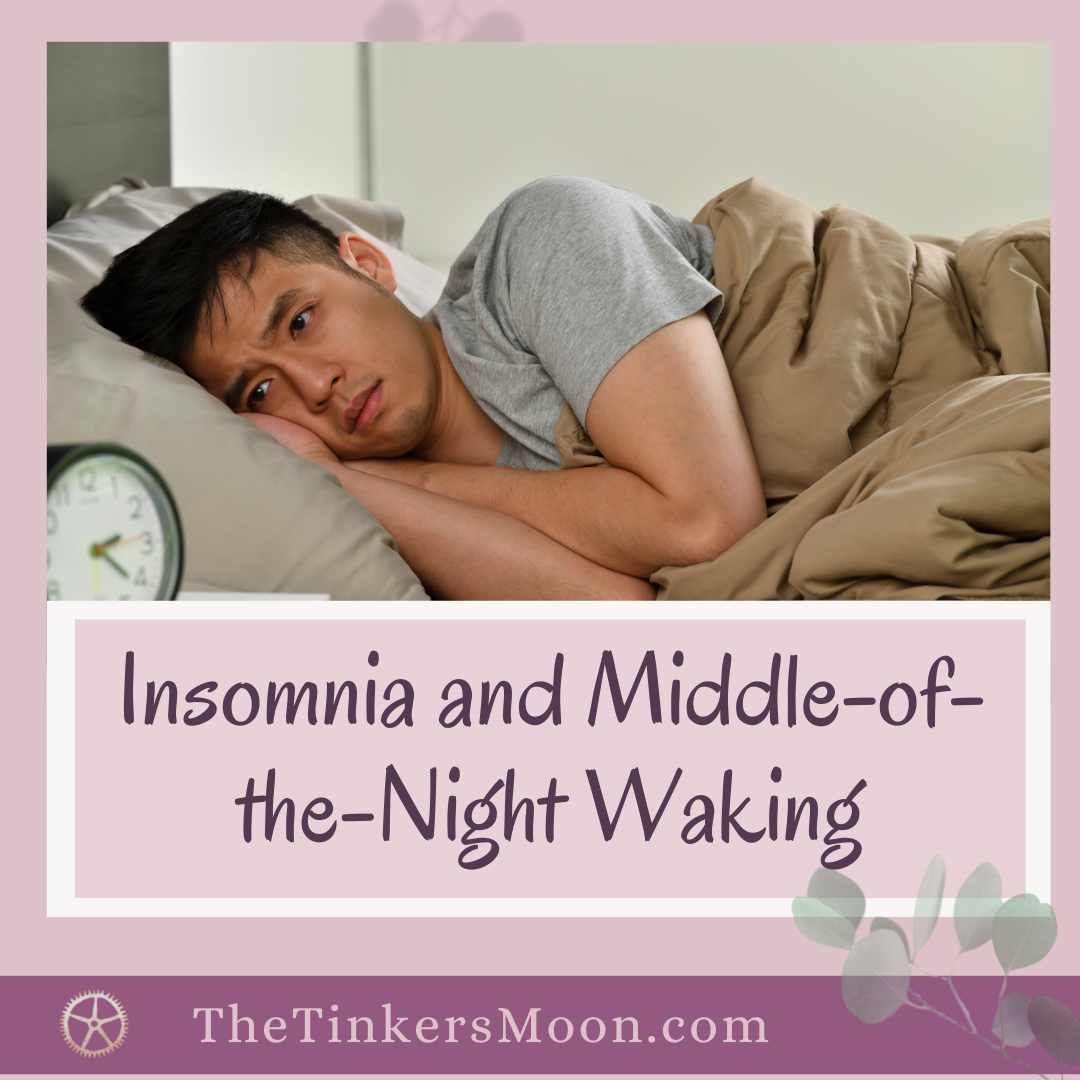
Insomnia and Middle-of-the-Night Waking
If you’re dealing with insomnia, especially the kind where you fall asleep easily but wake up a couple of hours later—and then lie awake for 60–90 minutes—you’re not alone. For many people, that middle-of-the-night waking quickly turns into frustration… and then anxiety… which only makes it harder to fall back asleep.
But what if your body isn’t “broken” at all?
A Different Way to Look at Sleep
Before electricity and modern schedules, people commonly slept in two segments—often called a “first sleep” and “second sleep.” After a few hours of rest, they would naturally wake for a period of time, then drift back into sleep again.
That shift to one long, uninterrupted block of sleep didn’t come from biology—it came from the demands of the Industrial Revolution and structured work schedules.
So waking after a couple of hours isn’t necessarily the problem.
The real issue is when:
- the body becomes alert or overstimulated
- the mind starts racing
- or anxiety kicks in because you think you should be asleep
Why It Feels So Stressful
That 60–90 minute window can feel long… especially in the middle of the night.
Thoughts like:
- “Why am I awake again?”
- “I’m going to be exhausted tomorrow.”
- “I need to fall back asleep right now.”
…can create just enough tension in the nervous system to keep you awake longer.
In other words, it’s often not the waking itself—it’s what happens after you wake up.
Working With the Cycle (Instead of Fighting It)
If your body is naturally waking during the night, you can actually work with that rhythm instead of resisting it.
A few simple shifts can make a big difference:
1. Stay in a low-light environment
Avoid phones, tablets, or bright lights. Blue light signals the brain to wake up fully, making it harder to return to sleep.
2. Keep things calm and quiet
If you get up, choose something gentle—reading (with soft lighting), prayer, reflection, or simply sitting quietly.
3. Release the pressure to fall asleep
Trying to force sleep often backfires. When you remove that pressure, the body is more likely to settle naturally.
4. Rest is still restorative
Even if you’re not fully asleep, lying in bed in the dark allows the body to restore and regulate. It’s not “wasted time.”
Supporting the Body Energetically
From an energy perspective, disrupted sleep can sometimes be linked to:
- an overactive or “on guard” nervous system
- underlying stress patterns
- circadian rhythm imbalances
- or environmental influences that keep the system alert
Sometimes there’s also a deeper root—something that initially triggered the pattern and continues to keep the body in a subtle state of wakefulness.
When those imbalances are addressed, the body often returns to a more natural rhythm on its own.
A Gentle Reframe
Waking in the night doesn’t have to be something to fear or fight.
When you understand what your body may be doing—and support it instead of resisting it—that same time can become:
- quieter
- more peaceful
- and far less stressful
And in many cases, that shift alone makes it easier to fall back asleep.
If you’ve been dealing with ongoing sleep disruptions, there’s usually a reason your body is holding that pattern in place. With the right support, it can be addressed—and your system can return to a more restful, balanced rhythm.