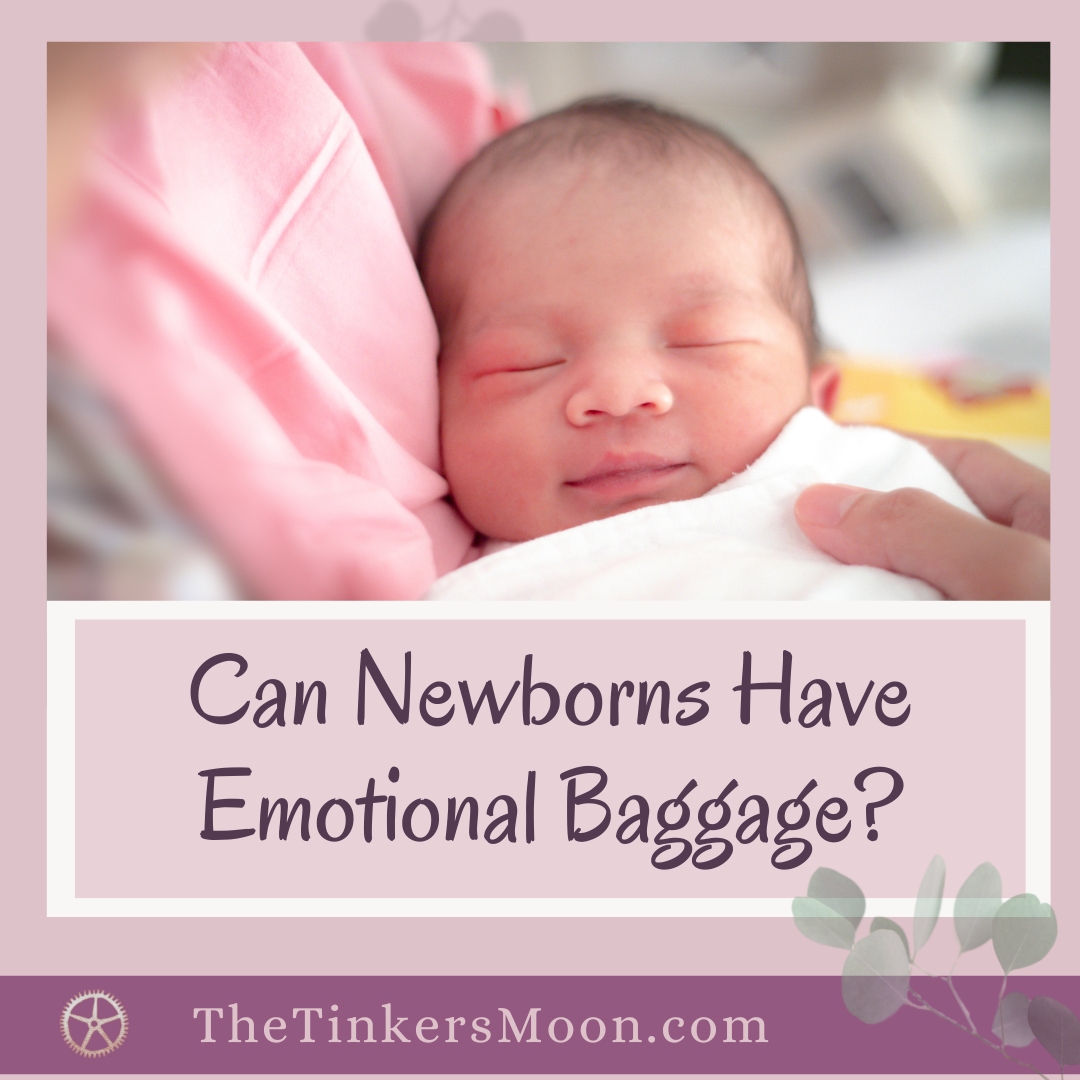
Can a Newborn Carry Emotional Imprints or Energy Imbalances?
When a baby is born, we naturally think of them as completely new—and in many ways, they are.
But at the same time, a newborn doesn’t arrive without any experiences.
They have already:
- Developed in the womb
- Moved through the birth process
- Been surrounded by people, environments, and emotions
So a more accurate question becomes:
Can a newborn carry early imprints or sensitivities from these experiences?
The answer is: yes—but not in the way most people fear.
Starting From a Place of Truth
A newborn is not broken.
They are not “burdened” heavily or permanently.
But they are impressionable.
And because of that, they can carry early imprints from different stages of development and experience.
Where These Imprints Can Come From
1. Before Conception
Even before pregnancy, patterns within a family—especially around stress, emotional regulation, and overall stability—can influence what a child is born into.
This doesn’t mean a baby is carrying someone else’s story.
But it can mean they are born with a greater sensitivity or responsiveness in certain areas.
2. During Pregnancy
The womb is a highly connected environment.
Babies are aware of:
- Rhythm and movement
- Sound and tone
- Shifts in the mother’s body and emotional state
If there was prolonged stress, fear, or instability during pregnancy, a baby may come into the world more alert, reactive, or sensitive.
3. The Birth Experience
Birth itself can be intense.
Whether it was:
- Fast or prolonged
- Medically complex
- Calm or chaotic
The body registers that experience.
Some babies carry signs of this through:
- Startle responses
- Tension
- Difficulty settling
4. After Birth
Once a baby arrives, they immediately begin responding to their environment.
They are highly sensitive to:
- The emotional tone of caregivers
- The level of calm or tension in the home
- Physical handling and sensory input
Babies don’t filter these experiences—they absorb and respond to them.
What This Actually Means
When we use the phrase “emotional baggage,” it can sound heavy.
But what we’re really talking about is: early impressions stored in the body and nervous system
These may show up as:
- Increased sensitivity
- Difficulty settling
- Strong reactions to stimulation
- A need for more reassurance
This is not a life sentence. It’s simply an early starting point.
A Healthy Way to Look at It
Instead of seeing this as something that needs to be removed or fixed, it’s more helpful to ask:
“What does this baby need to feel safe and regulated?”
Because in most cases, that’s the real issue.
Not something “attached” or “wrong”— but a system that needs support and stability.
How to Support a Baby With Early Imprints
Simple, consistent support makes a bigger difference than anything complex:
- Calm, predictable environments
- Gentle handling and reassurance
- Reducing overstimulation
- Creating a peaceful atmosphere in the home
When a baby feels safe, their system begins to settle naturally.
Where Support Work Can Help
If additional support is needed, the focus is not on “working on the baby.” It’s on:
- The environment
- The home
- The caregivers
When those shift, babies often respond quickly and noticeably.
Final Thoughts
A newborn can carry early imprints from:
- Before conception
- Pregnancy
- Birth
- Their environment after arrival
But these are not permanent burdens.
They are simply part of how the baby has begun to experience the world.
And with the right support, those early sensitivities can settle, stabilize, and even become strengths over time.
If something you’ve read here resonates with you, and you’d like a little extra support, you’re always welcome to reach out.
My sessions are designed to gently identify and release what may be affecting you or your family, while helping create a calmer and more balanced environment overall.