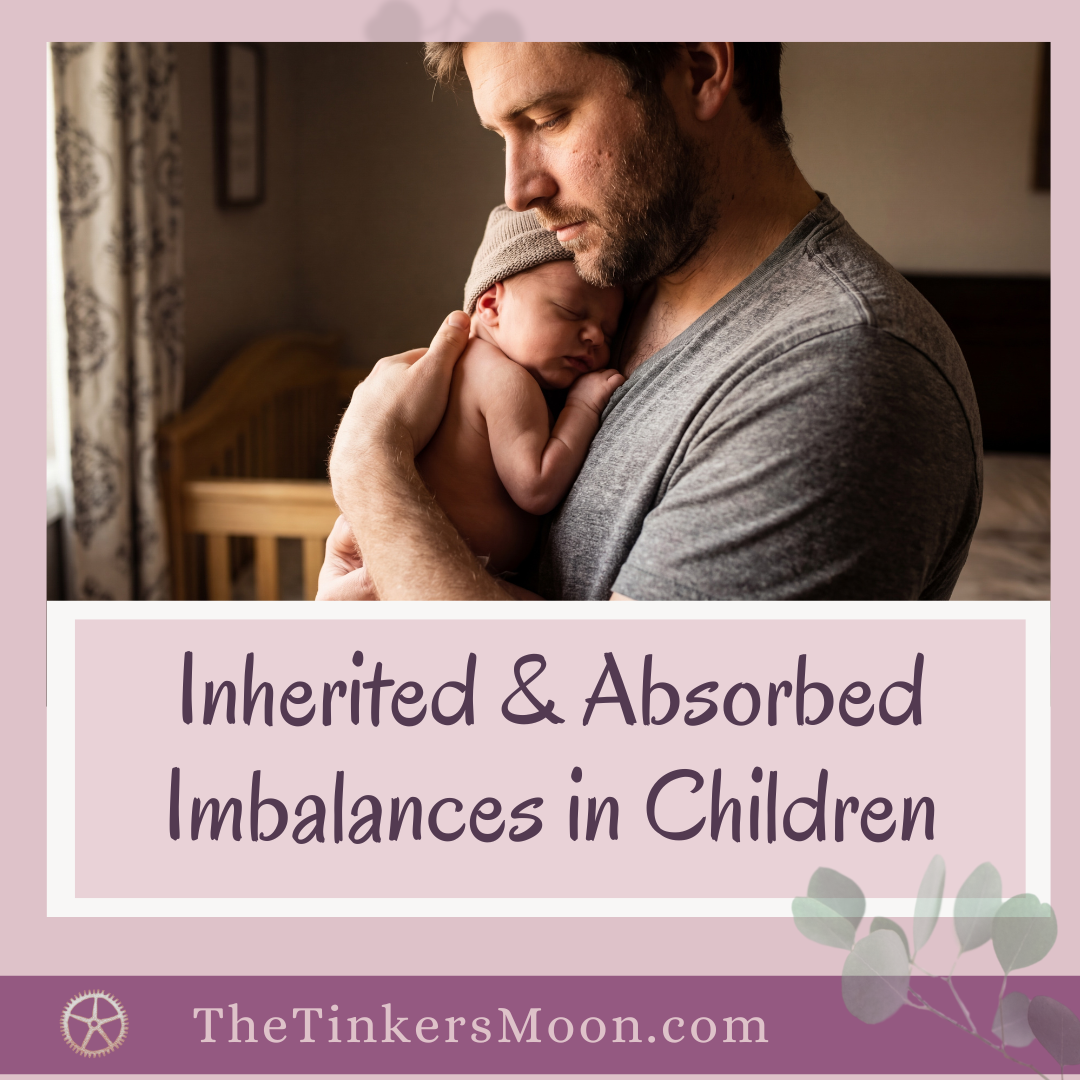
Inherited & Absorbed Imbalances in Children
After understanding that babies can carry early imprints, the next question many people have is:
“Where are these imbalances actually coming from?”
If you’re familiar with the Emotion Code or Body Code, this will likely feel familiar.
But even within that framework, it’s important to keep things clear and grounded.
Inherited Imbalances
Some imbalances can be passed down through family lines.
In this work, these are often understood as:
- Inherited emotional patterns
- Generational stress responses
- Unresolved energy that has been carried forward
This doesn’t mean a child is carrying someone else’s life experience.
It means they may begin life with a pattern already present in their system.
These patterns often show up as:
- Heightened sensitivity
- Strong emotional responses
- Difficulty settling or regulating
Absorbed Imbalances
Babies and young children are extremely open and receptive.
Because of this, they can also absorb energy from those around them, especially from:
- Parents or primary caregivers
- The emotional environment of the home
- Stressful or chaotic situations
This isn’t something they do intentionally—it’s simply how open their systems are in early development.
Pre-Natal & Birth Imprints
In addition to inherited and absorbed imbalances, babies can also carry imprints from:
- The pregnancy experience
- The emotional state of the mother
- The intensity or stress of delivery
These are often held in the body as:
- Tension
- Sensitivity
- Reactive patterns
What This Means for Your Child
When you put all of this together, what you may notice is not something “wrong” but something unresolved or unprocessed.
This can show up as:
- A baby who is difficult to settle
- A child who reacts strongly to small changes
- Sensitivity to environments, people, or routines
These are simply indicators that something in the system is requesting support or release.
A Balanced Way to Approach This
It’s easy to feel like something needs to be urgently fixed. But that’s not the goal. The goal is:
- To gently identify what’s present
- To release what is ready to be released
- To support the system in returning to balance
There is no need for force, urgency, or intensity.
How This Work Supports Children
When working with children—especially babies—the focus remains gentle and indirect.
Support may include:
- Releasing inherited or absorbed imbalances
- Supporting the emotional environment of the home
- Working with the parent or caregiver instead of directly on the child
In many cases, shifts in the parent or environment create noticeable changes in the child very quickly.
What to Expect
When imbalances are addressed calmly and consistently, you may begin to see:
- Easier settling and sleep
- Reduced reactivity
- A greater sense of calm
- Improved overall regulation
These changes are often subtle at first—but meaningful.
Final Thoughts
Children are not fragile—but they are open. Because of that openness, they can:
- Inherit patterns
- Absorb from their environment
- Carry early imprints
But the good news is just as important: These imbalances are not fixed or permanent.
They can be gently identified, released, and supported—allowing the child to move into greater balance naturally.
You don’t have to figure everything out on your own.
If you feel like you’d benefit from a more guided, structured approach, I offer sessions that can help bring clarity, balance, and support—both for you and your home.