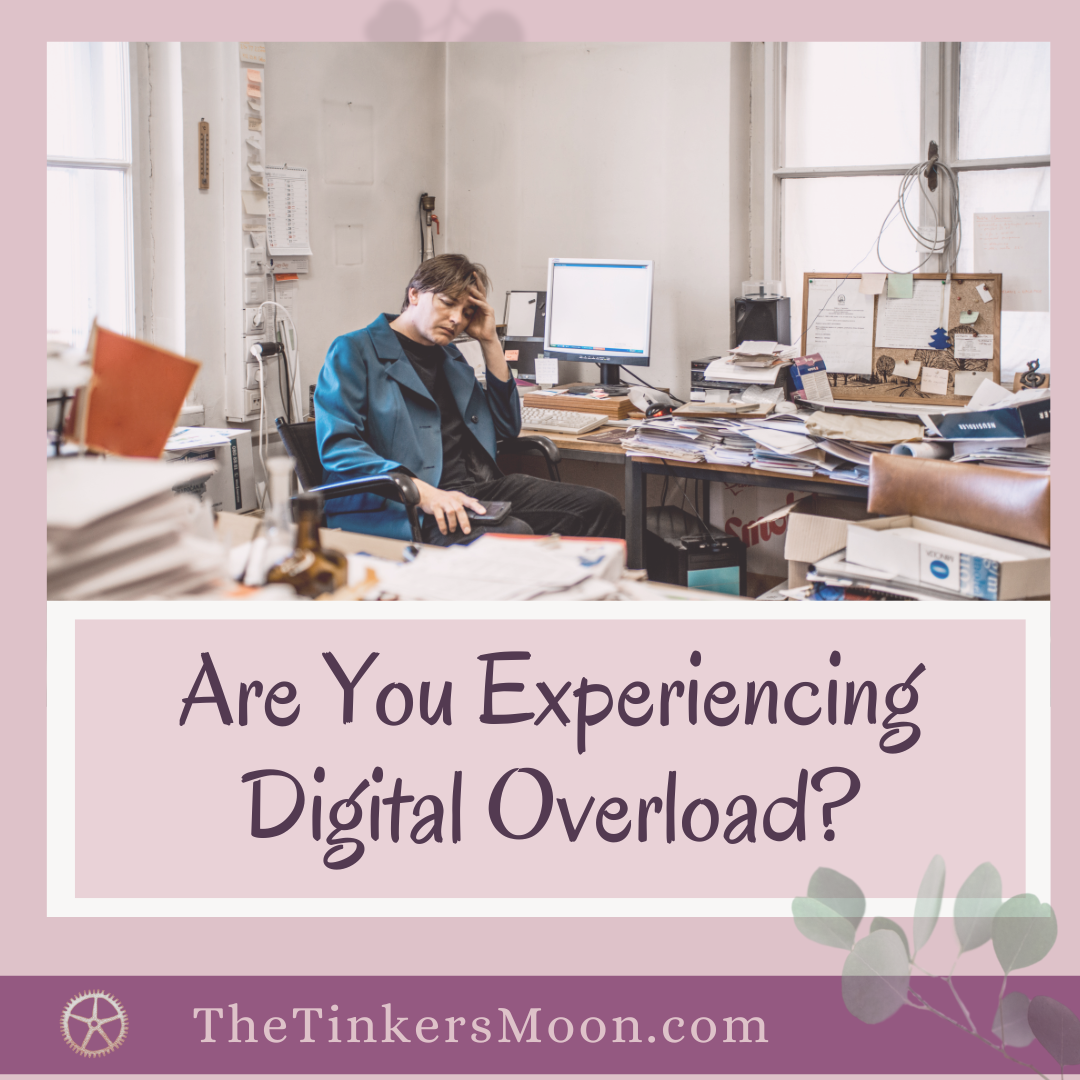
Digital Overload: When Constant Input Leaves You Drained
Many people assume exhaustion comes from doing too much. Sometimes it comes from taking in too much.
We live in a world where information never stops flowing. News headlines update by the minute. Social media feeds refresh endlessly. Emails, text messages, videos, podcasts, notifications, and online conversations compete for our attention from the moment we wake up until we go to sleep. While technology offers undeniable benefits, the sheer volume of input can quietly wear us down in ways that aren’t always obvious.
What often feels like simple tiredness may actually be the result of cognitive and emotional overload.
When Your Brain Never Gets a Chance to Rest
The human mind was never designed to process a constant stream of information every waking hour. Yet many of us move from one source of input to another without pause. We listen to podcasts while driving, scroll during meals, check notifications during conversations, and fall asleep with a screen in hand.
Even when the content itself isn’t negative, the nonstop stimulation demands energy.
Each interruption requires the brain to shift gears. Research has shown that regaining deep focus after a distraction can take far longer than most people realize. When interruptions happen repeatedly throughout the day, concentration becomes fragmented and mental fatigue accumulates.
Over time, this can leave you feeling scattered, restless, or emotionally depleted without fully understanding why.
The Emotional Impact of Constant Consumption
Information doesn’t arrive as neutral data. Everything we consume carries emotional weight.
A troubling news story may create anxiety. Social media can trigger comparison, frustration, or feelings of inadequacy. Workplace messages often bring pressure and expectations. Even positive content can become overwhelming when consumed in excess.
The nervous system responds to all of it.
When there is little opportunity to process what we’re taking in, emotional tension can begin to accumulate. Many people find themselves feeling unusually irritable, overwhelmed, or emotionally reactive without connecting those feelings to the constant stream of information surrounding them.
In many cases, the issue isn’t a single stressful event. It’s the cumulative effect of hundreds of small inputs competing for attention every day.
Signs You May Be Experiencing Digital Overload
Digital overload doesn’t always look dramatic. Often, it shows up in subtle ways:
- You reach for your phone automatically whenever there is a quiet moment.
- You struggle to focus on books, articles, or conversations for extended periods.
- You frequently open apps without remembering why.
- You feel mentally busy even when you aren’t actively doing anything.
- You use screen time to relax, but rarely feel refreshed afterward.
- You feel guilty about unanswered messages or notifications.
- You have difficulty sitting in silence without seeking distraction.
- Real-world interactions feel more demanding than passive online engagement.
- You check your devices first thing in the morning or immediately before bed.
These habits have become so common that many people assume they’re normal. Yet they often signal a nervous system that rarely has an opportunity to settle.
Creating Space for Recovery
The solution isn’t necessarily abandoning technology. Most of us rely on digital tools for work, communication, learning, and entertainment.
Instead, the goal is to create intentional space between periods of consumption.
Simple practices can help restore balance:
- Schedule short periods throughout the day without screens.
- Avoid immediately checking messages upon waking.
- Take occasional walks without a device.
- Silence nonessential notifications.
- Pay attention to which types of content leave you feeling energized versus depleted.
- Build moments of quiet reflection into your daily routine.
Small changes often create a greater sense of calm than people expect.
Looking Beneath the Habit
For some individuals, reducing screen time is easier said than done.
The question may not be, “How do I spend less time online?” but rather, “What need am I trying to meet?”
Sometimes, endless scrolling fills loneliness. Sometimes, constant checking provides reassurance. Sometimes staying busy with information helps us avoid uncomfortable emotions or unresolved stress.
From an energy-healing perspective, repetitive digital habits can occasionally point to deeper imbalances. Practitioners who work with systems such as the Emotion Code, Body Code, and Thought Code often explore whether trapped emotions, subconscious beliefs, or energetic imbalances may be contributing to patterns that feel difficult to change.
Beliefs such as “I must always be available,” “I can’t miss anything important,” or “My worth depends on my productivity” can quietly drive behaviors that keep people tethered to their devices long after the habit stops serving them.
Addressing those underlying patterns may make healthy boundaries feel more natural and sustainable.
Choosing Presence Over Constant Input
The greatest benefit of reducing digital overload isn’t simply spending less time on a phone or computer.
It’s creating room to think clearly, notice your surroundings, engage more fully with the people around you, and reconnect with yourself.
A quieter mind doesn’t happen by accident. It requires making space for moments that are not filled with notifications, updates, and demands for attention.
In a world that constantly asks for more of your focus, choosing intentional presence may be one of the most restorative things you can do.


You May Also Like

Energetic Detox & Reboot
How Many Sessions Will I Need?