Chakras and the Nervous System: Understanding the Body’s Energy Centers
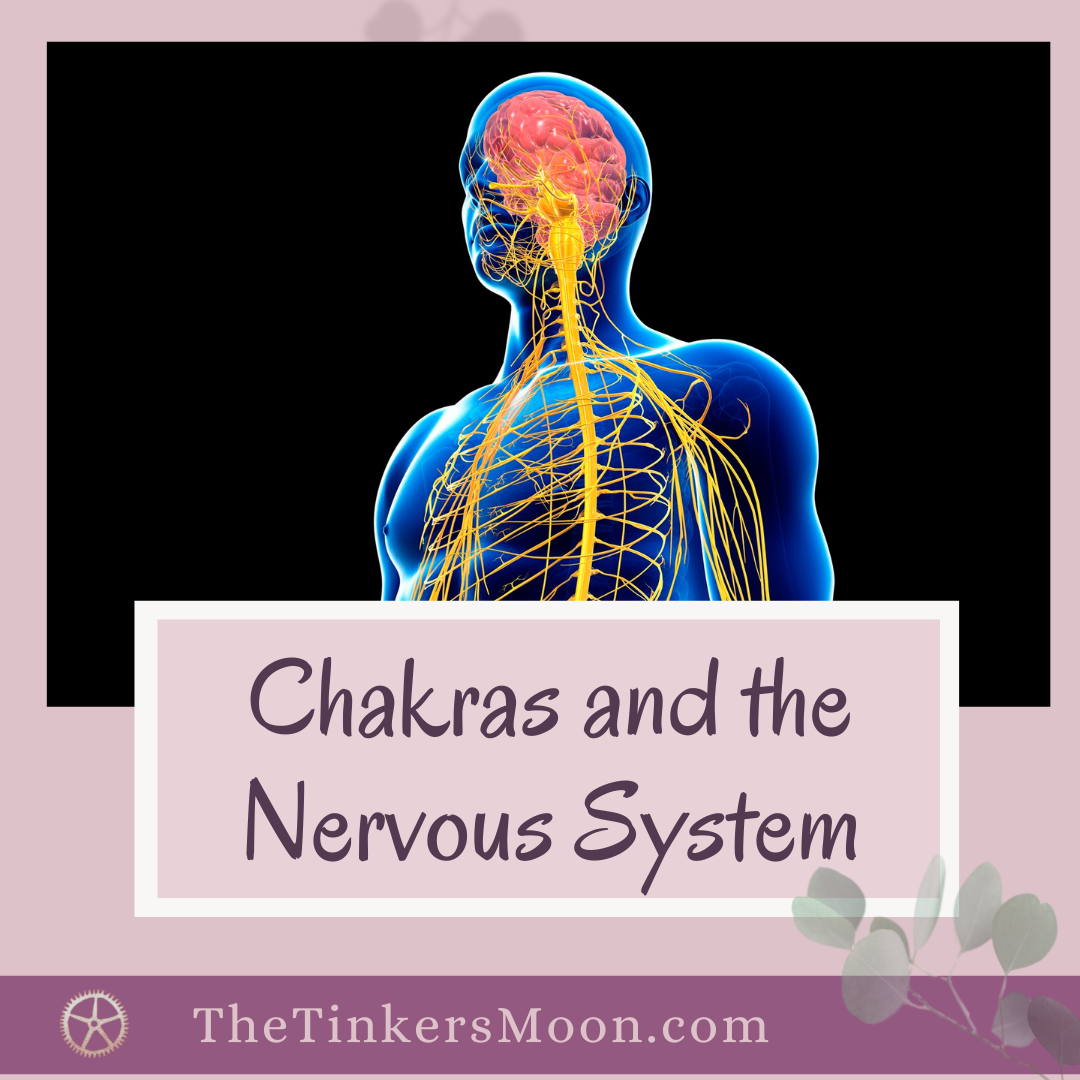
When most people hear the word “chakra,” they imagine something mystical or esoteric. In reality, chakras are a way of mapping the body’s major energy centers—centers that correspond closely with nerve bundles, major glands, and areas of physiological influence. Understanding chakras in this way allows us to approach energy healing as a practical, science-aligned tool for supporting health and wellness.
Chakras as Nerve and Energy Hubs
Each chakra aligns with a cluster of nerves, often referred to as a plexus, as well as the corresponding endocrine gland that helps regulate hormones and bodily functions. For example:
- Root Chakra: Corresponds to the adrenal glands and the sacral nerve plexus. It’s associated with survival instincts, stability, and foundational energy.
- Sacral Chakra: Linked to the reproductive system and lower abdominal nerves, influencing creativity and emotional balance.
- Solar Plexus Chakra: Connects with the solar plexus nerves and pancreas, influencing digestion, personal power, and energy regulation.
- Heart Chakra: Centered near the thymus and cardiac nerves, balancing emotional wellness and immunity.
Throat Chakra: Relates to the thyroid, vocal cords, and cervical nerves, affecting communication and self-expression. - Brow Chakra: Connected to the pituitary and optic nerves, impacting intuition, perception, and cognitive clarity.
- Crown Chakra: Associated with the pineal gland and top-of-head nerve structures, influencing consciousness and spiritual connection.
By viewing chakras through the lens of anatomy and physiology, we can see them as practical energy hubs that regulate the flow of information and vitality throughout the body.
Energy Flow and Health
When these centers become blocked or imbalanced—whether through stress, injury, emotional trauma, or illness—it can manifest physically and emotionally. Energy healing aims to restore balance, supporting the natural flow of nerve signals, hormonal activity, and subtle electromagnetic patterns in the body. Think of it as untangling a knot in your wiring or ensuring a river flows freely; the body functions more efficiently when energy flows without obstruction.
Chakras and the Nervous System Connection
The nervous system operates through electrical impulses and chemical signals—essentially, energy in action. Chakras serve as focal points where the nervous system and endocrine system converge, coordinating complex body functions. By working with these centers, whether through hands-on healing, sound therapy, movement, or intentional focus, we can influence both the physical and energetic aspects of our health.
Practical Applications
Energy work on the chakras isn’t about magic—it’s about supporting natural physiological processes. Techniques can include:
- Gentle touch or hands-on healing near chakra points
- Tuning forks or vibration therapy to stimulate nerve plexuses
- Visualization or focused intention to encourage energetic balance
- Incorporating lifestyle practices like nutrition, movement, or breathwork to support corresponding organs and glands
These methods enhance the body’s own ability to self-regulate, complementing medical care, prayer, and other wellness practices.
Conclusion
Chakras provide a bridge between physical anatomy, energy flow, and holistic wellness. Understanding them in terms of the nervous and endocrine systems allows energy healing to be approached with clarity, respect for science, and alignment with faith. When energy centers are supported, the body, mind, and spirit all benefit.
Our next post will explore the Aura and the Human Biofield, diving into the electromagnetic energy that surrounds the body and how it interacts with overall health and well-being.